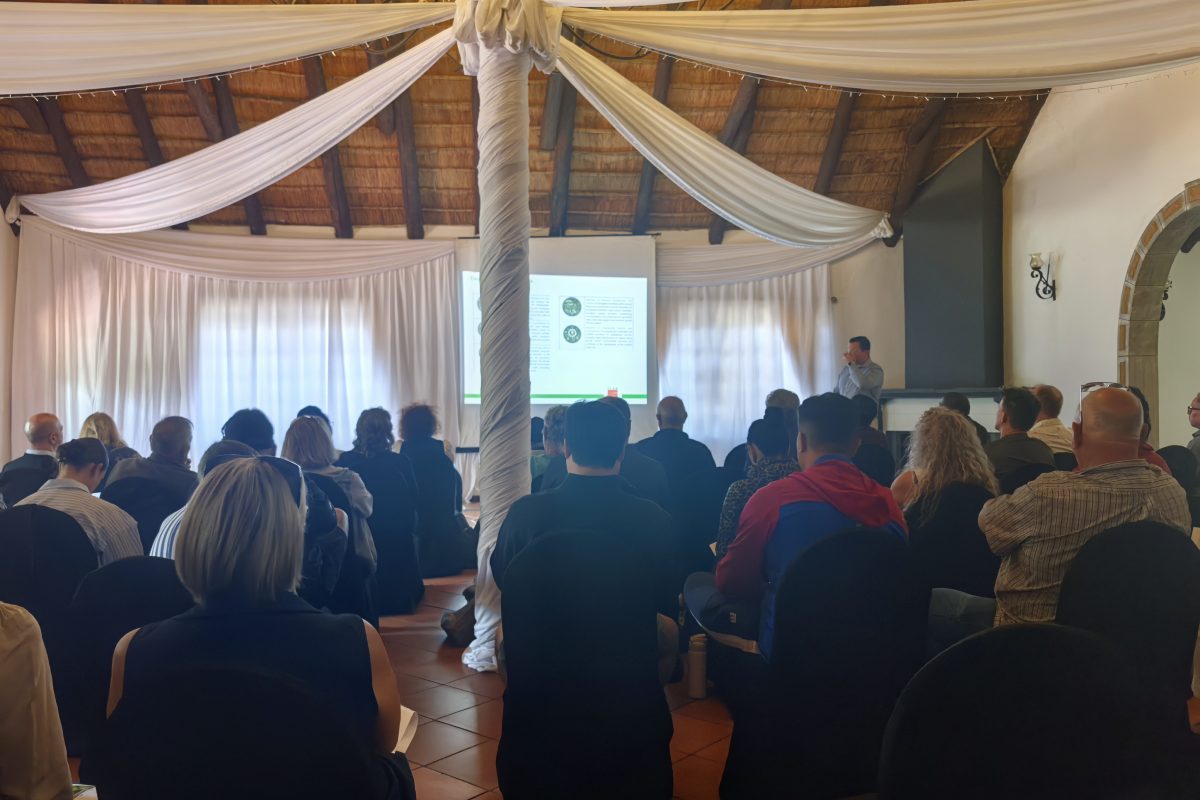
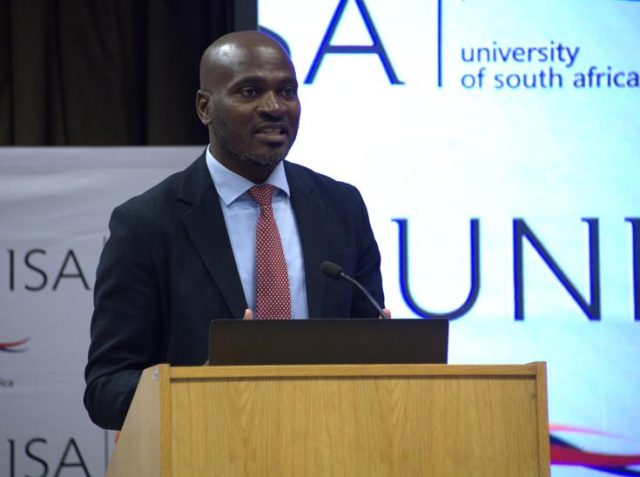
Pretoria, South Africa: On 14 May 2025, the University of South Africa (UNISA) once again demonstrated its unwavering commitment to thought leadership and inclusive dialogue by hosting a vibrant G20 engagement under the broad theme: “The Road to the G20: Through Public Dialogue and Community Participation.” The event, held at the Kgorong Function Hall on the Muckleneuk Campus, brought together key stakeholders from government, civil society, the diplomatic corps, and academia. With no fewer than 26 embassies represented, the town hall-style dialogue proved that South Africa’s G20 presidency is not just a political or diplomatic exercise – it is a people’s project. The day’s theme, “South Africa in Africa and the World: Global Governance, Peace, Justice, Human Rights and Security” was very befitting.
UNISA, as part of the Sherpa Track of the G20 process, used this platform to drive home the point that global governance, peace, justice, human rights, and security are not abstract ideals. They are lived realities with tangible effects on communities. UNISA’s Principal and Vice-Chancellor, Professor Puleng LenkaBula, delivered a compelling opening address in which she reaffirmed UNISA’s mission to reclaim Africa’s intellectual futures. She drew a clear link between the university’s Ten Catalytic Niche Areas and its broader mission of fostering sustainable development. Among the ten areas, aviation was particularly emphasized as both a knowledge frontier and an economic driver with vast transformative potential.
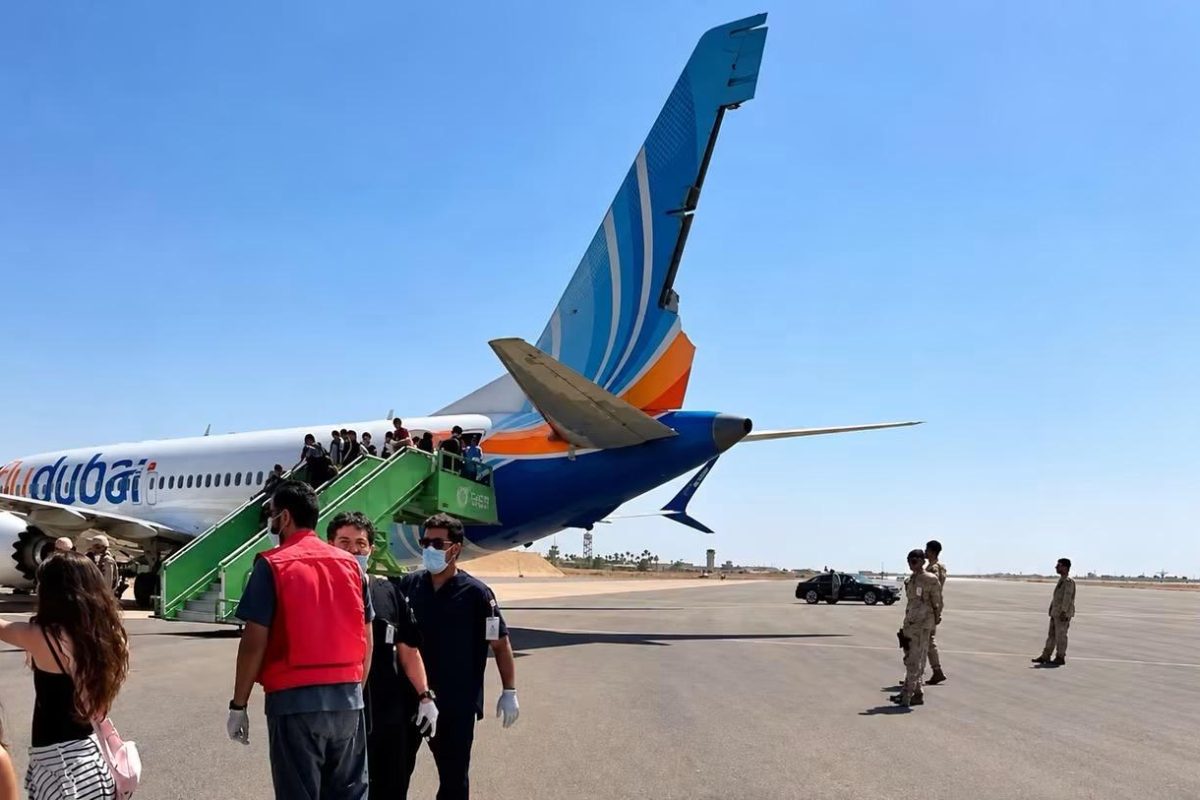
Indeed, aviation, often overlooked in policy discourse, is central to many G20 interventions. It facilitates global trade, regional integration, and mobility. More critically, it serves as an enabler for economic development – especially in a continent where geographical distances and fragmented infrastructure still present formidable challenges. The Vice-Chancellor’s strategic emphasis on aviation is both timely and necessary. The sector does not merely move people; it moves economies, ideas, and opportunities.
This point was echoed recently by Minister Patricia de Lille at the BARSA Aviation Summit, where she noted that the G20 events scheduled across South Africa in 2025 are expected to inject life into the aviation and tourism sectors. Over 130 G20-related meetings will be held, bringing with them thousands of delegates who will travel, spend, engage, and collaborate. This surge offers a unique window for the aviation industry to reposition itself as an indispensable component of national development.
Data from the International Air Transport Association (IATA) supports this optimism. IATA projects that by 2043, the South African aviation sector could welcome 345 million additional passenger journeys, contributing R141 billion in additional GDP and supporting over 790,000 jobs. But these gains are not automatic. They require deliberate investment in infrastructure, safety, regulatory efficiency, and skills development – areas where South Africa has an opportunity to lead.
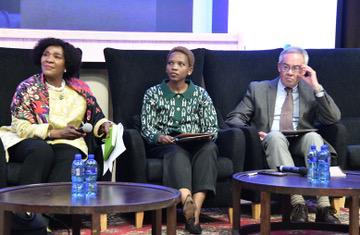
Back at the UNISA dialogue, panelists such as Ambassador Nozipho Mxakato-Diseko and Prof Dirk Kotze (Department of Political Science – UNISA) offered nuanced insights into the geopolitics of the G20. Ambassador Mxakato-Diseko reminded the audience that this is not South Africa’s first chairing of the G20; the 2007 presidency also preceded the global financial crisis and shaped the forum’s current form. She stressed the norm-setting power of the G20 – even though it does not yield binding resolutions – and urged Africa not to negotiate from a place of weakness, particularly on matters like critical minerals.
Prof Kotze brought a sobering perspective. He warned of the G20’s possible mission creep, where it morphs into a talk shop far removed from its core purpose. He raised pertinent questions about compliance mechanisms and the waning dominance of traditional power poles, noting that today’s global order is marked by multipolarity, including the growing influence of BRICS.
Dr Bongiwe Mphahlele of the Thabo Mbeki School for Public and International Affairs pushed the discussion toward strategic alignment. She emphasized the importance of Africa speaking with one voice and aligning G20 interventions with African Union priorities. She also raised the issue of climate justice, noting that rural women in particular bear the brunt of environmental degradation. Her call for inclusive development resonated strongly.
Perhaps most heartening was the active participation from civil society, religious groups, youth formations, and women’s organisations. Their message was clear: the G20 must not be a conversation among elites. It must engage and reflect the aspirations of ordinary people, particularly those in townships and rural areas. The call for legacy projects and more responsive governance was echoed repeatedly during the Q&A session.
As South Africa prepares to hand over the G20 baton in 2026, the country has an opportunity – and an obligation – to ensure that its presidency leaves a lasting impact. For UNISA, and indeed for all of us, this means using the tools of education, research, and community engagement to support policy processes that are inclusive, accountable, and transformative.
Aviation, in this context, is more than a mode of transport. It is a strategic lever for economic emancipation, for deepening regional integration, and for achieving the Sustainable Development Goals. Through events like this G20 dialogue, UNISA is not only facilitating public engagement – it is helping to chart the flight path to a more just and sustainable future.
Pics: Courtesy of UNISA
Prof Angelo Dube is a Professor of International Law, Director of the School of Law at UNISA, and Chief Executive Officer at Flying Jurist, and founder of the General Aviation Indaba. He writes here in his personal capacity.