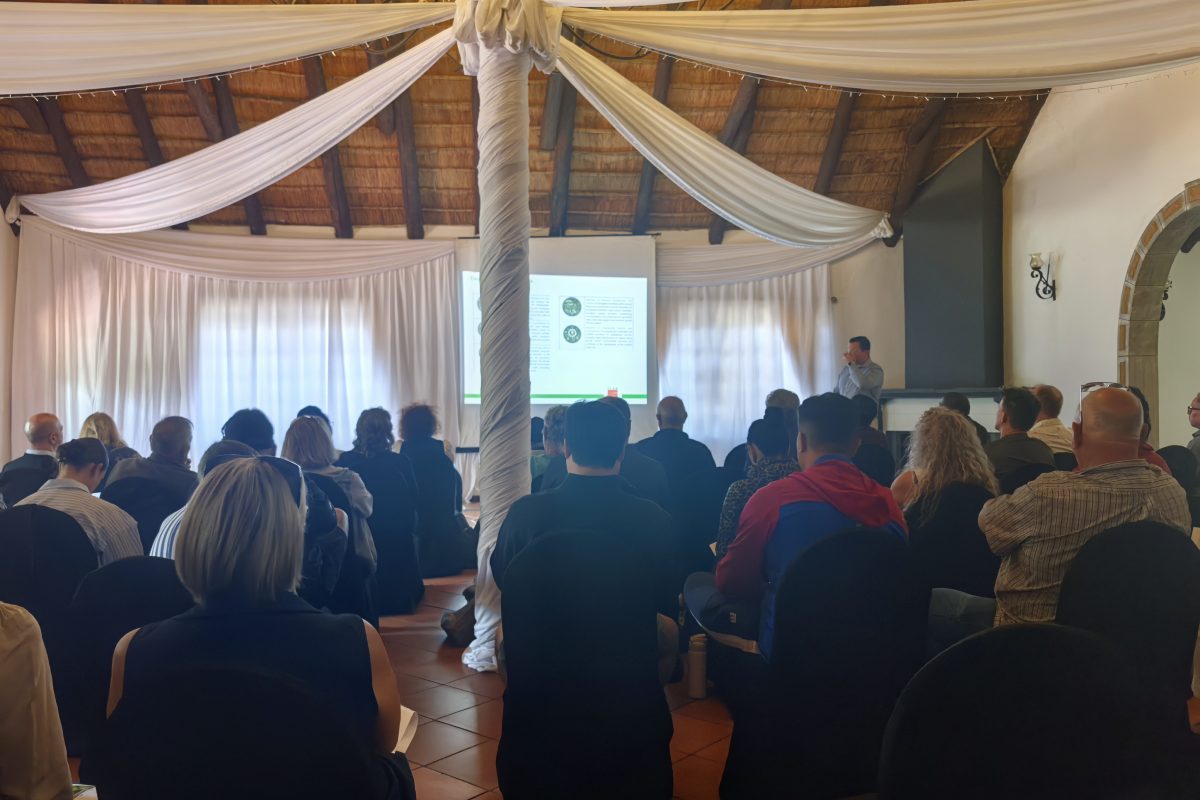
Sandton, South Africa: The second annual Aviation Indaba, hosted by the Flying Jurist at the Maslow Hotel in Sandton, opened to a packed audience eager to engage with the future of South African aviation. The event, held on 19 August 2025 began with a welcoming address from CEO Professor Angelo Dube, followed by a keynote address from Hon. Lebogang Maile, MEC of Finance and Economic Development in Gauteng. Speaking passionately about the role of aviation, Maile highlighted how it drives inclusive growth, trade, skills development, and innovation. “Aviation is far more than just a means of transport, it is a vital engine for economic growth, social mobility, and international connections,” he said. He underlined that in Gauteng, the aviation industry sits at the heart of the province’s developmental agenda, supporting over 46,000 direct jobs and generating countless more in tourism, logistics, and international business. Maile did not stop at economics. He also pointed out aviation’s crucial role in social inclusion and resilience. “People in remote areas gain access to medical care, education, and economic opportunities through our domestic flight network,” he explained, highlighting how aviation truly connects communities across the country.
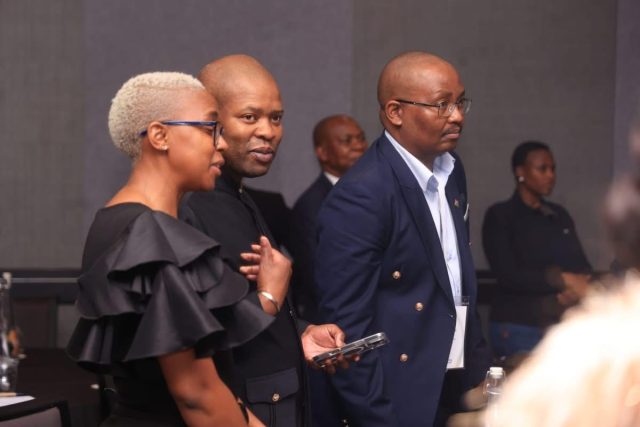
Prince Freedom Khutjo Riba, representing His Majesty Kgoshi Riba Phaswane III, accompanied by other esteemed members of the royal family, gave the Indaba his support and lobbied for the aviation industry to be included in the mineral-rich and scenic Ga-Riba landscape to boost economic development.
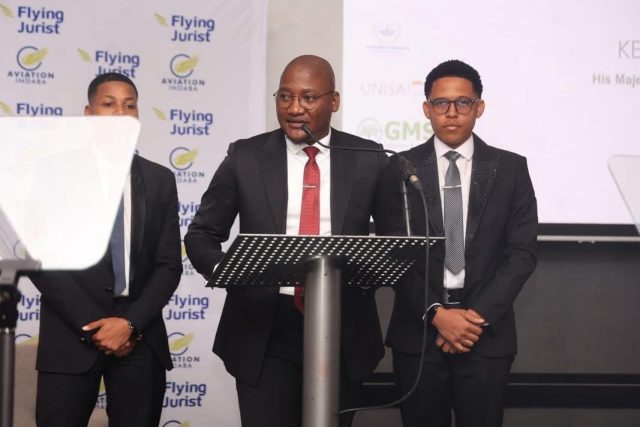
Zola Majavu, Chairperson of ATNS, acknowledged that while ATNS holds a unique mandate, it does not operate in isolation. He explained that within this mandate, there are factors that can either enable or hinder its execution. Expressing concern over the misinterpretation of legislation, he noted that what is intended to facilitate progress can sometimes become a barrier. “The core elephant in the room,” he said, “is how can we collaborate to execute that mandate?” Majvu stressed the importance of moving away from a “solo mentality.” He highlighted the value of in-house expertise, citing Dr. Andre Coetzee as an example of knowledge that can be leveraged internally. He also challenged the mindset of looking to solutions from outside Africa, urging us instead to tap into the collective wisdom available locally. He pointed out that, too often, consultants brought in from other countries to provide solutions turn out to be South Africans trained right here at home. Majavu’s message was clear: we have the expertise within our borders, and by working together and acknowledging our strengths and gaps, we can develop truly effective, homegrown solutions.
World-renowned Dr. Thebe Ikalafeng, founder and CEO of Brand Africa, pointed out that South African aviation often lacks a “whole value chain” approach. He praised Ethiopian Airways for its highly integrated system, where everything from hotels to hospitality is connected seamlessly to the airport. Supporting this view, Arthur Shirichena, an aviation law PhD candidate at the University of Manchester on a research visit to UNISA, highlighted Dubai’s integrated aviation system, noting its appeal to travellers who can access services without going through immigration.
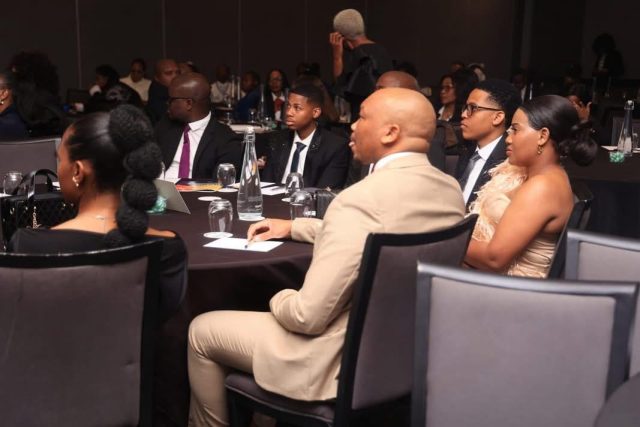
George Mothema, CEO of BARSA, added that the industry often gets caught up in discussions about profitability, losing sight of aviation’s broader role as an economic enabler. He recalled that South African Airways (SAA) used to be a training ground for pilots, engineers, and maintenance professionals. Highlighting that profit remains important, Mothema emphasized that airlines like FlySafair and Airlink demonstrated resilience during the COVID-19 pandemic by maintaining reserves, which allowed them to survive without retrenching employees.
Dr. Andre Coetzee, Executive Chairman of Henley Group Holdings, highlighted a unique challenge facing South Africa’s aviation sector: the country operates older aircraft compared to the rest of the world. “This is where aircraft come to die,” he remarked. Despite this, he commended the industry for maintaining high safety standards under challenging conditions. Coetzee pointed out that skills development in aviation tends to focus primarily on pilots and air traffic controllers, who can be trained within about 18 months. However, far less attention is given to developing maintenance expertise, which is critical given the age of the country’s fleet. He emphasized that it takes six years to become qualified to certify an aircraft, putting the country at serious risk of a skills shortage in this area. He also stressed the importance of retaining skilled professionals, warning that without a clear retention strategy, the industry loses talent. “After all that time training these professionals, they often leave the industry once they qualify and emigrate,” he said, urging greater investment in both training and retention to safeguard South Africa’s aviation future.
Hon. Jabu Mbalula, MEC of Community Safety, Roads and Transport in the Free State Province, expressed his vision to transform the Free State Province from a place people simply pass through into a destination worth visiting. To support this, the province is committed to upgrading Braam Fischer Airport, including expanding its capacity for freight movement. He emphasized that integrated transport plans should leverage aviation to connect people in remote areas and stressed that airport development must be fully aligned with municipal planning to achieve true integration.
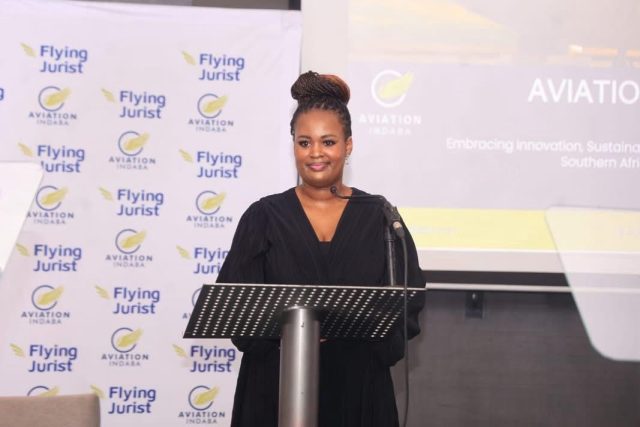
Ms. Samantha Maphosa-Mhlongo, Market Development Lead for Green Hydrogen and Derivatives at Sasol, highlighted the aviation sector as a key driver for Sustainable Aviation Fuel (SAF) production. She emphasized the need to create new value from existing resources and outlined various SAF production pathways, noting its ability to blend with conventional fuel up to 50% without affecting performance or safety. While SAF is central to decarbonizing aviation, she stressed challenges such as regulatory gaps, supply security, and reliance on imports. Achieving the SAF vision requires sustainable feedstocks, affordable financing, and a clear national strategy. Maphosa-Mhlongo also called for a gradual transition to ensure smooth implementation across Sasol’s operations.
Adding to this conversation, Kido Makhubo, a dynamic Mechanical and Mechatronic Engineer from the Council for Scientific and Industrial Research (CSIR), captivated the audience by showcasing groundbreaking South African innovations that are contributing to the global net-zero mission. She spoke about the successful demonstration of an unmanned aerial vehicle (UAV) powered entirely by hydrogen fuel cell technology at CSIR’s UAV Laboratory. Known as the H2UAV, this system uses hydrogen propulsion and offers multiple advantages, including higher energy density for longer flight times, produces zero harmful emissions, allows for faster refuelling, reduces overall weight, and operates almost silently making it ideal for surveillance and reconnaissance missions. Makhubo’s presentation left the audience inspired, showing how South Africa is positioning itself at the forefront of sustainable aviation technologies.
The 2025 Aviation Indaba covered a wide range of topics, including data integrity, transformation, skills development, funding, and other critical aspects of the aviation industry. Participants left with a shared understanding that collaboration is essential and agreed that gatherings like this are not just valuable, they are vital in today’s fast-changing global aviation landscape.
Vuyolwethu Siyolise Musoke, Correspondent
Vuyo is currently busy with her LLM by full research and is focusing on the area of aviation law and trade.