
Johannesburg, South Africa: Aviation never exists in a vacuum. Even as global geopolitics once again remind us how closely airspace, security, supply chains and diplomacy are intertwined – most recently illustrated by the tensions surrounding Donald Trump, Israel and Iran – the real work of sustaining aviation happens closer to home. It happens in boardrooms and briefing rooms, on grass runways and concrete aprons, and in the quiet, unglamorous spaces where skills are built and institutions are strengthened.
This week, South Africa’s aviation sector offers a powerful illustration of that reality. From 5 to 6 March 2026, commercial aviation leaders converge at the BARSA Summit in Zimbali, KwaZulu-Natal. At the same time, from 5 to 8 March 2026, the general aviation community gathers in Mpumalanga for the Middelburg Airweek. Two events, two subsectors – but one aviation economy.
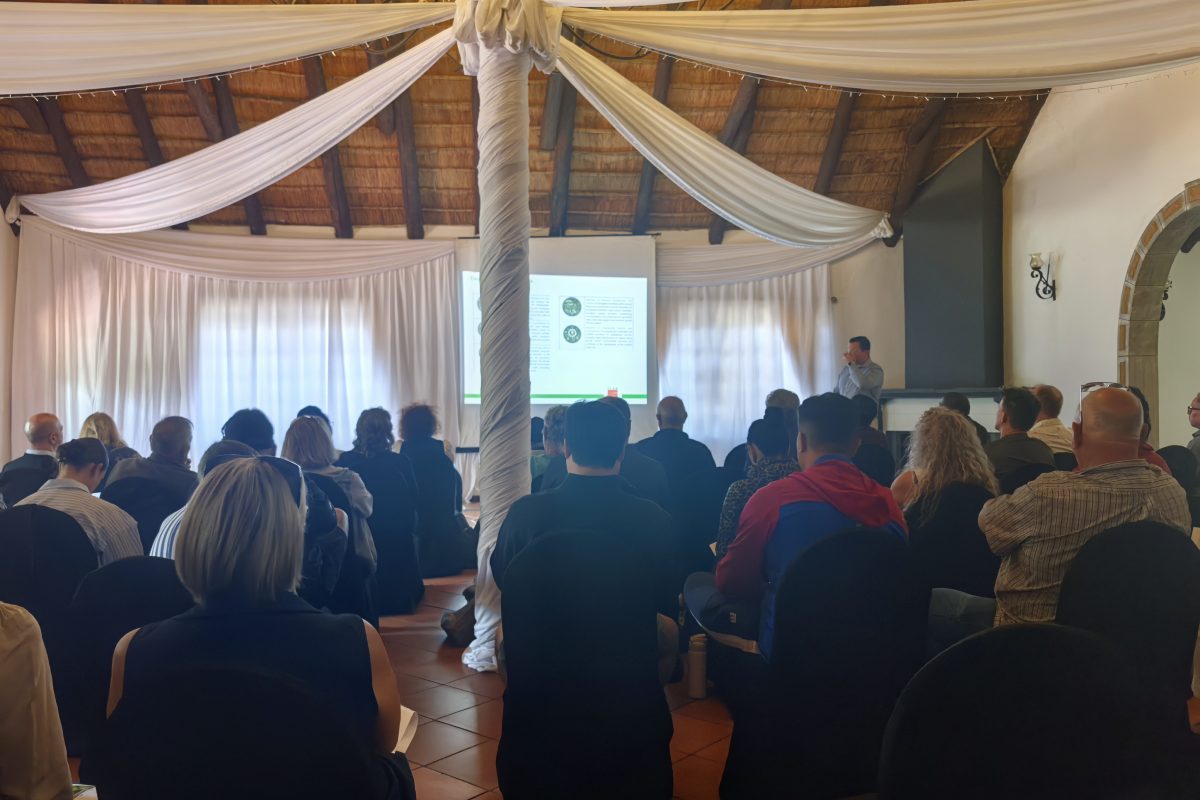
The BARSA Summit has, over the years, become a critical platform for airlines operating in and out of South Africa. It is where the commercial aviation industry takes stock of its operating environment: costs, regulation, sustainability, infrastructure, and the persistent tension between commercial viability and public interest obligations. That this year’s summit is staged in Zimbali is no coincidence. The area sits within an aviation-linked economic ecosystem anchored by King Shaka International Airport and the adjacent Dube TradePort. Together, they symbolise the aerotropolis model – where aviation is not merely about moving passengers, but about logistics, trade, investment, and regional development.
Commercial aviation often dominates headlines, but it is sustained by a deeper, quieter foundation. That foundation is general aviation, and it is precisely what Middelburg Airweek celebrates. With record-breaking attendance, over 40 exhibitors, approximately 200 fly-in aircraft, and a major airshow, the event underscores the vibrancy and resilience of South Africa’s general aviation sector. More importantly, it highlights its strategic importance.
General aviation is not a hobbyist sideshow. It is the primary skills pipeline for the entire aviation industry. Virtually every airline pilot begins their journey in general aviation. The same is true for aircraft maintenance engineers, air traffic controllers, flight instructors, safety specialists, and many aviation managers. Flying clubs, aero clubs, flight schools, and small maintenance organisations are where discipline is learnt, judgment is forged, and aviation culture is transmitted. Without a healthy general aviation sector, commercial aviation simply cannot renew itself.
There are further nuances often missed in policy debates. General aviation supports rural and regional connectivity where airlines cannot operate profitably. It underpins emergency medical services, agricultural aviation, aerial surveying, pilot currency, and innovation – particularly in areas such as unmanned aviation systems. It is also where regulatory compliance is tested at human scale, offering regulators and policymakers early warning signs of systemic stress.
Seen together, the BARSA Summit and Middelburg Airweek present a holistic picture of South African aviation. One speaks to balance sheets, networks, and global integration; the other to skills, sustainability, and long-term resilience. For Africa, this balance is even more critical. An aviation economy that over-invests in airlines while neglecting training, maintenance, and grassroots aviation ultimately imports skills and exports opportunity. Conversely, an ecosystem that nurtures general aviation creates endogenous capacity that feeds commercial growth across the continent.
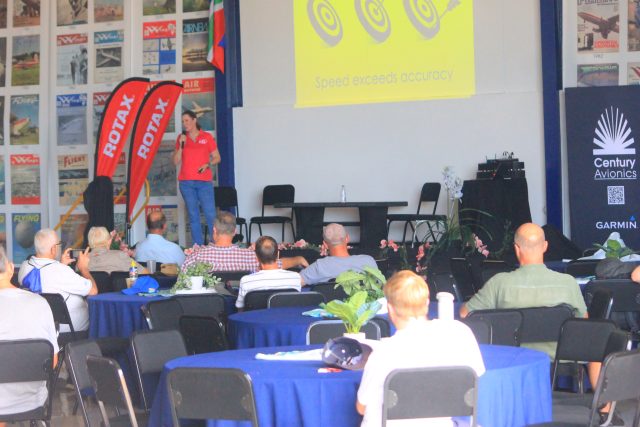
It is for this reason that Flying Jurist will be represented at both events. Our work has consistently emphasised the indivisibility of aviation sub-sectors and the need for dialogue that cuts across silos. Engagement at BARSA allows us to listen to airline concerns at the highest level. Participation at Middelburg allows us to remain grounded in the lived realities of pilots, instructors, engineers, and innovators who form the backbone of the industry.
This integrated approach also informs the philosophy behind the Aviation Indaba, convened by Flying Jurist in partnership with the Lenono Foundation, scheduled for August 2026 in Sandton. The Indaba deliberately brings commercial aviation, general aviation, regulators, financiers, and policymakers into one room – because sustainable aviation futures are built through convergence, not fragmentation.
As South Africa’s aviation community moves through this busy week, the message is clear. Our strength lies not in choosing between commercial and general aviation, but in recognising their mutual dependence. In a world where global shocks can ground fleets overnight, resilience is no longer optional. It is cultivated – on runways big and small, in summits and airshows alike.
Prof Angelo Dube (Commercial Pilot) is a Chief Executive Officer at Flying Jurist, and founder of the Aviation Indaba. He is also the President of the Society for International Aviation Law. Prof Dube doubles up as a Professor of International Law and Acting Director of the School of Law at UNISA, where heads the Aviation Law Working Group – a consortium of pilots, aviators, researchers and lawyers who research in various aspects of aviation law. He writes here in his personal capacity.


One comment
MarieR
14 April 2026 at 5:04 pm
Great easy read !
Thanks you for including the actual GA community in your article.