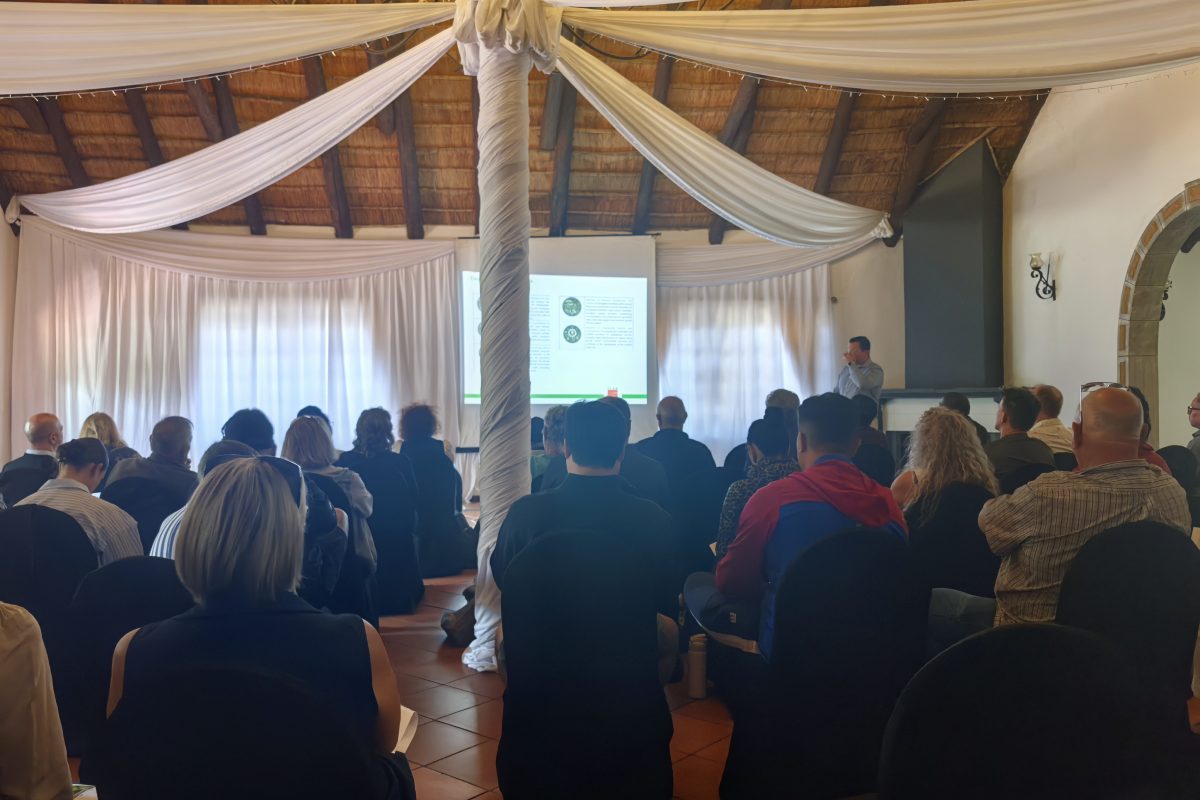
Cape Town, South Africa: The 5th APGroN International Conference that was hosted by the Afrikan Peer Growth Network (APGroN) at the UNISA Parow Campus from 26 to 28 November 2025 was, in every sense, a celebration of momentum. Five years into this project, the conference has grown from an idea into a living, breathing ecosystem for scholarship, mentorship, and cross-sector collaboration. This year’s theme, “Exploring technological advancements in Gender, Aviation, Marine and Energy Studies as Potential Key Economic Drivers for Africa’s Advancement”, framed three days of enquiry that were practical, aspirational and grounded in the realities facing our continent. Flying Jurist’s CEO, Prof Angelo Dube participated in this vibrant event.
From the opening moments the energy in the room was palpable. APGroN partnered with the Black Forum Student Chapter and the Black Lawyers Association Student Chapter (BLASC) to ensure that the event was not only academically rigorous but also deeply inclusive. Student leaders from the University of the Western Cape, UNISA and Stellenbosch University brought a clarity of purpose and a hunger to engage that reminded all attending why capacity building sits at the heart of APGroN. Messages of support from key stakeholders set the tone. The address by Flying Jurist CEO, delivered also in his capacity as founding president of the Society for International Aviation LAW (SIAL), stressed the urgent need for industry and academia to collaborate in training the next cohort of aviation, marine and energy professionals. “We must tackle the skills gap not as a single institution but as a networked ecosystem”, he added.
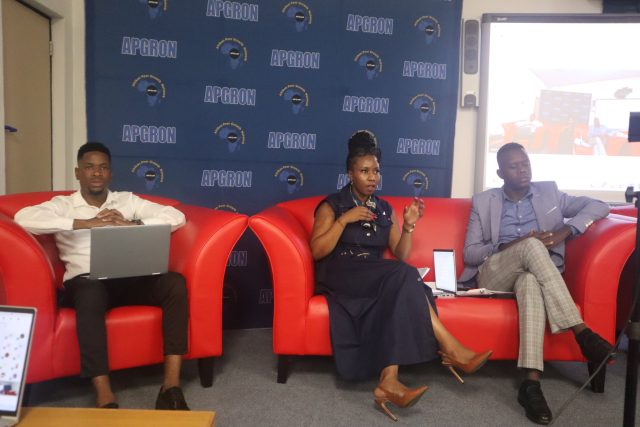
Adv Kgagudi Morota of Black Forum South Africa, BLASC representatives, and student leaders like Vumile Mandase of Black Forum Student Chapter voiced powerful endorsements of the conference structure. Vumile lauded the exposure that this gathering provides to students interested in aviation law and related fields. Mr Thomas Mabala, speaking on behalf of APGroN, reminded us that mentorship is an engine for professional development; mentorship converts aspiration into competence. The keynote address was delivered by none other than Adv Lufuno Nevondwe from the South Africa National Space Agency (SANSA), who aptly articulated the linkages between space studies and aviation studies. Adv Nevondwe went on to emphasize the ongoing efforts of SANSA to bring awareness to the youth of this country on space related issues. He also lauded the creation of spaces such as the APGroN Conference as much needed dialogue enhancing spaces which culminate in policy contributions.
Panels across the three days reflected the conference sub-themes and delivered sustained, practical dialogue. The APGroN Conference’s research and publication colloquium continued to be a highlight, training early career scholars in research design and the mechanics of publishing. Energy panels discussed renewable integration, policy coherence and transdisciplinary models for a just energy transition. Marine sessions wrestled with port infrastructure, blue economy inclusion and maritime environmental governance. Aviation panels interrogated infrastructure financing, regulatory fragmentation, the promise of drones and digitalisation, and critically, workforce development. The technology and gender sessions examined digital divides and women in STEM, closing with pointed calls for policy and institutional reforms to improve access and leadership opportunities for women.

Student feedback was unanimous on one point: the conference works. Students indicated that exposure to industry practitioners and senior academics demystified career pathways. They appreciated the mentorship clinics and the concrete advice on publishing and research design. For many, the conference was the first time they had access to a multi-disciplinary conversation that linked law, policy, technology and industry practice.
Why does this conference matter for aviation?
The answer is simple and structural. The challenges ICAO’s NGAP programme has been highlighting are real and systemic. The Third ICAO NGAP Global Summit in Durban in August 2025 emphasised the need to attract, educate and retain talent, with special attention to women and underrepresented groups. The Summit underscored workforce shortages and gaps across all categories of aviation personnel. Importantly, ICAO and related working papers have identified shortages not only in technical or cockpit roles but within middle management and supervisory brackets across the industry. These roles are critical because they link strategy to operations and they are where transformation often stalls if skills are lacking.
APGroN’s multi-, inter-, and trans-disciplinary approach is a direct response to those findings. Aviation is not only about aerodynamics or piloting. It is about policy, regulation, finance, environmental law, digital tools, gender inclusion and education systems that produce competent managers and leaders. By bringing law students, engineers, policy makers and practitioners into the same conversation we build curricula that mirror the complexity of the sector and we create mentorship pathways that can move talented juniors into those middle management roles the industry needs.
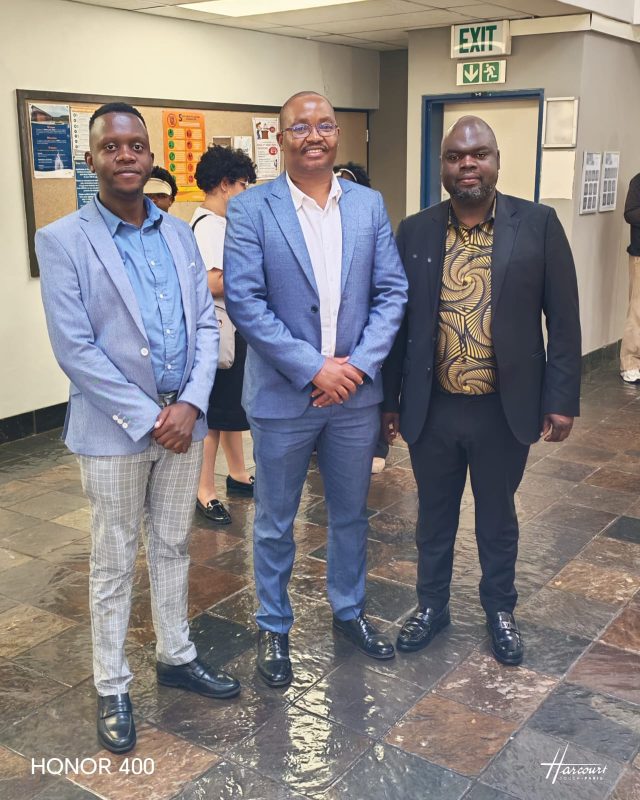
Finally, the gender focus of the conference is not an add-on. It is central to a national and international imperative to transform the industry. ICAO’s NGAP work, and the outcomes discussed in Durban, argue for targeted interventions to make aviation attractive and accessible to women and all previously disadvantaged individuals (PDIs), and to ensure that institutional barriers are dismantled. The APGroN Conference contributions and the student voices confirm that transformation will be achieved only when education, industry and government intentionally design opportunities for women and PDIs at all levels.
Turning five: What does this milestone mean for the sectors of aviation, marine and energy studies?
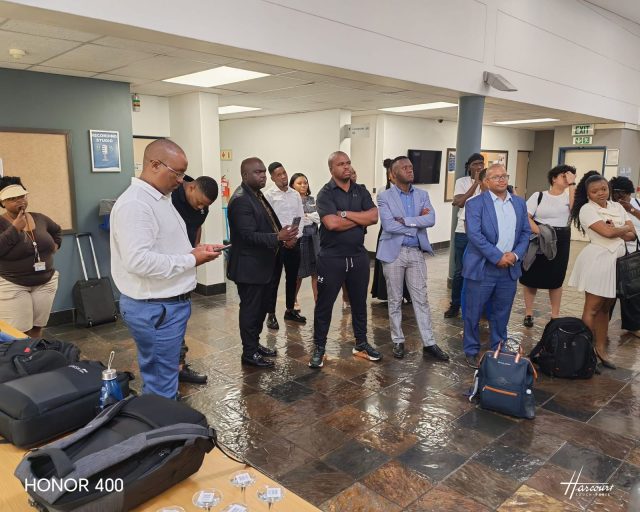
In the celebratory cocktail that was held on the first day, Dr Sikelela Ndlazi reflected on the journey that the organisation has taken to over the past five years. He emphasised the importance of collaboration between stakeholders, and the centrality of mentorship in creating the next generation of professionals. His message underscored the need to embrace the upsurge of academic interest in these rarely studied fields of expertise, and to marry that upsurge with ongoing industry interest in finding solutions to real life problems. These sentiments were echoed by APGroN’s Chief Operations Officer, Adv Konanani Raligilia during the closing ceremony. He called upon other universities to come on board in this collaborative effort.
In closing, the 5th APGroN International Conference reaffirmed what we at Flying Jurist have always believed: Africa’s advancement requires that we train, mentor and retain our own talent. We must do this with urgency, humility and rigour, especially if we are to make our contributions to the African Union’s dream of a Single African Air Transport Market (SAATM).
Vuyolwethu Siyolise Musoke, Correspondent
Vuyo is currently busy with her LLM by full research and is focusing on the area of aviation law and trade.