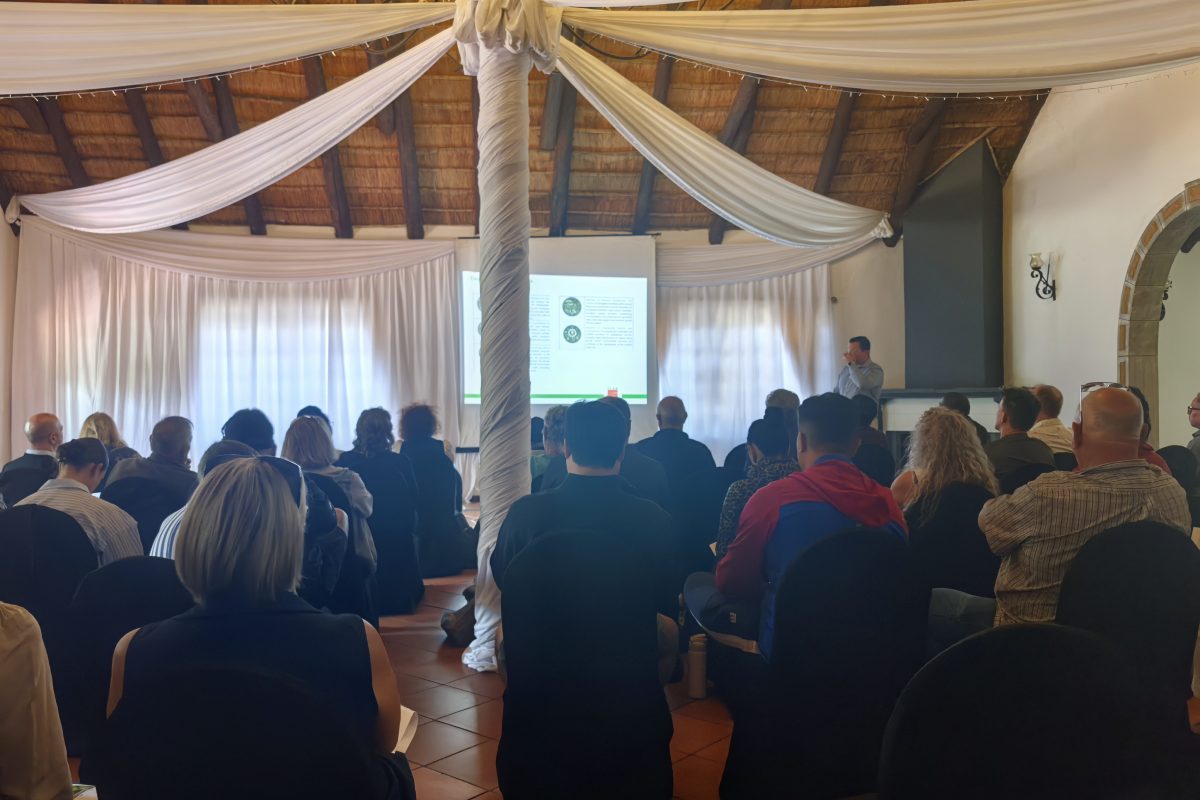
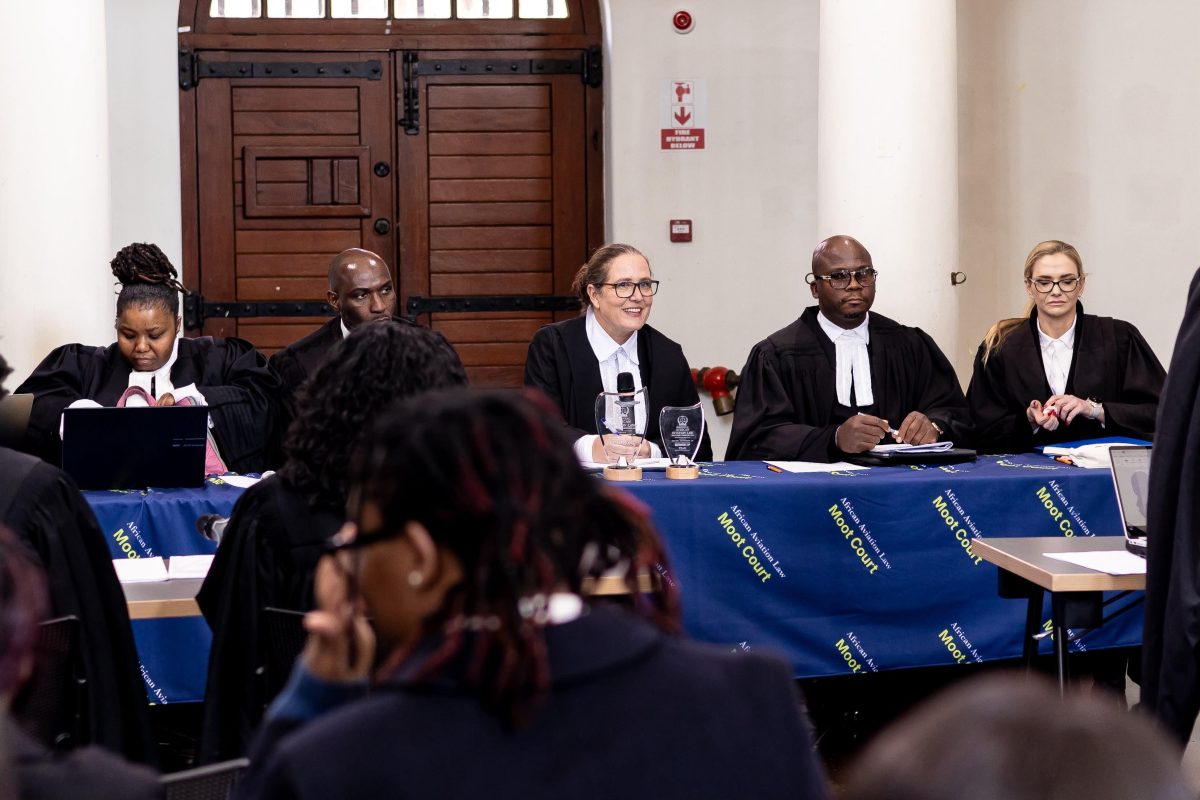
Midrand, South Africa: There is something energising about being in a room full of builders. Not theorists. Not armchair critics. Builders. The Inhlanyelo Hub’s Drone Masterclass on 4 December at the Midrand Conference Centre had that energy. It felt like a sector coming to terms with its own potential, wrestling with its challenges, and refusing to be boxed in by outdated narratives about regulation, capacity, or capability.
Prof Annemarie Davis opened the session with the calm assurance we have come to expect from the Inhlanyelo Hub. That hub is fast becoming one of the few spaces in this country that does not only train operators but helps turn ordinary people into drone entrepreneurs. It is a model more institutions should be studying closely.
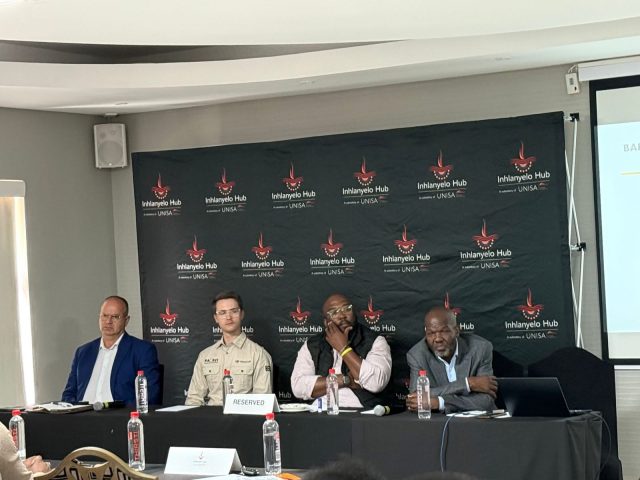
Sam Twala, Managing Director of Ntsu Aviation, moderated the day, and in his usual style, wasted no time getting to the heart of things. Each speaker brought their own lived experience, and when you bring founders into one room, you get honesty. Real honesty.
Jack Shilubana of QP Drone Tech spoke about operating in surveillance and GIS, but what struck me most was his challenge to the widespread belief that the industry is over regulated. When he first wanted to venture into drone deliveries, everyone told him that the South African Civil Aviation Authority (SACAA) would shut the idea down. He refused to accept it. He engaged the regulator directly. What he found was not hostility, but possibility. His point was clear. Sometimes the loudest barriers are imaginary. And sometimes you must shake the table to find the truth.
Jacques from Aerial Works grounded the discussion firmly in real world operational experience. Mining security is no joke. Traditional patrols are limited. Drones have changed that completely. Thermal imaging and wide area surveillance are no longer luxuries. They are essential tools for keeping sites safe. His answer to how we will do security in the future was simple. Smarter. Faster. More precise.
Kopano Tholo from ITOO Special Risks addressed the question of insurance. Many operators insure their drones because they have been told they must, not because they understand the risk. There is a huge gap in understanding the regulations, and that gap feeds the narrative that South Africa is over regulated. But the myth remains just that, a myth.
Col Ruan Potgeiter of the South African Air Force spoke about the longstanding relationship between civil and military aviation. The line between the two may appear blurred today, but that shared space has always existed. What differs is the framework guiding each. The military looks at operations through the lens of the law of war. Civil operators follow civil aviation rules. Innovation requires these two communities to speak to each other honestly, and frequently. His insight into the increased use of drones in aircraft accident investigations was a reminder of how quickly this technology is becoming indispensable.
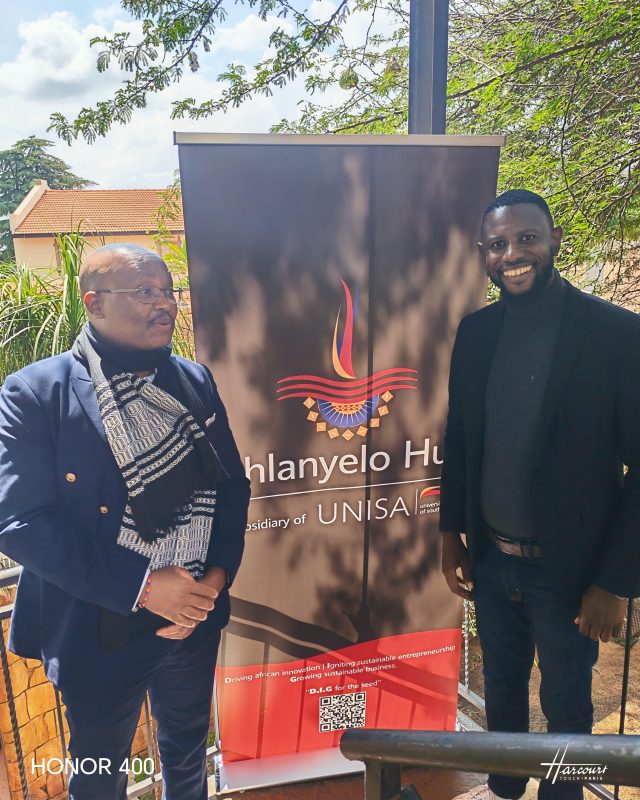
When Sam raised the need for sustainable interventions, he touched a nerve. Many people are trained, qualified, and then left at the margins with no pathway into the industry. Col Potgeiter supported this point and argued that South Africa needs a system that allows people to build hours and experience beyond the classroom. Train to employment, not only to qualification.
At some point Flying Jurist CEO, and Head of the Aviation Law Working Group, Prof Angelo Dube raised the issue of drone registration, because it just cannot be ignored. It emerged that there are only about 3 500 drones in the country that are properly registered. The rest fall into what Kopano called cowboy territory. He cautioned that registration should not be seen as a regulatory burden but as a safety requirement and an economic gateway. If you are not on the system, you cannot fully participate in the opportunities that are coming.
Sam pointed out that our drone regulations were drafted in 2015 and might have fallen behind. For instance, drone light shows did not exist then at the scale we see today. The regulations must evolve with the technology and apply proportionally to the level of risk. Jack reinforced this and called for disaggregated, risk based regulation. He also warned about gatekeeping, a very real barrier for young and emerging drone entrepreneurs.
Adv Konanani Raligilia, representing the UNISA College of Law’s Aviation Law Working Group, raised an important question on privacy. Jacques explained the practical challenges, especially in suburban areas where operators need landowner permission and must maintain a 50 metre buffer above people. Rural areas are easier because agreements can be put in place. Col Potgeiter added that enabling drones with ADSB could be part of the future solution in managing visibility and safety.
Kim James closed the day with a message that every entrepreneur must hear at least once in their journey. Pivot when necessary. Do not cling to a business model that refuses to float. Tenacity and adaptability will keep you in the game longer than any single idea.
The Inhlanyelo Hub Drone Masterclass reminded me of one thing. The drone industry in South Africa is not waiting for the perfect conditions. It is building despite the imperfections. What it needs now is a regulatory environment that grows with it, an education pipeline that prepares people for real work, and a community willing to confront myths with facts.
If we can keep that momentum, the South African drone economy will not be an afterthought in the global landscape. It will be a leader.
Prof Angelo Dube is a Professor of International Law, Acting Director of the School of Law at UNISA, and Chief Executive Officer at Flying Jurist, and founder of the Aviation Indaba. He writes here in his personal capacity.