Johannesburg, South Africa: We have all had that friend, that family member or that random stranger who poses the rhetorical questions “Captain, when are you taking me for a spin?” While seemingly benign, this statement does flatter the ego of most student pilots, and heightens the pressure to prove their “aviatorness” to their loved ones. It also shows that quite a number of people are blasé to the spate of accidents in general aviation (GA).
The recent SACAA statement on the spate of fatal GA accidents should trouble every pilot, instructor, owner, regulator, student, and aviation academic in South Africa. Not in a sensational sense, but in the quiet, uncomfortable way that forces us to ask hard questions about how we are flying, why we are flying, and what we may have normalised along the way.
The numbers alone warrant sober reflection.
| Financial Year | Total Accidents | Fatal Accidents | Fatalities |
| 2022/23 | 113 | 9 | 12 |
| 2023/24 | 115 | 13 | 19 |
| 2024/25 | 131 | 4 | 7 |
| 2025/26* | 43 | 12 | 17 |
*2025/26 figures reflect the period to November 2025 only.
What is striking is not only the absolute increase in fatal accidents in the current financial year, but the compression of fatalities into such a short period. This is not a slow-burning trend; it is a sharp spike. History reminds us that similar patterns preceded what has now been termed Black October of 2008, a comparison the SACAA itself does not make lightly. This marked a month in which South Africa experienced a high number of accidents, with 26 fatalities resulting from 8 fatal accidents. Subsequent to this, the SACAA also raised the alarm in the post-Covid period, in January 2021 when in just one month, 14 accidents were reported. Of these 4 were fatal with 8 lives lost. This was the most fatalities in a single month in a space of 12 years. Perhaps the Covid-19 lockdown and the shutdown of the industry had negatively affected pilot recency and competence.
While investigations will determine the proximate causes, aviation safety demands that we interrogate the deeper, systemic issues long before final reports are published.
One uncomfortable reality is the changing profile of GA pilots. We are seeing more low-hour pilots operating into complex environments – high-density airspace, mountainous terrain, and weather systems that demand conservative decision-making. There is nothing inherently wrong with low hours; we all began somewhere. The danger arises when limited experience is combined with overconfidence, schedule pressure, or inadequate mentoring once the licence is issued.
Terrain unfamiliarity remains a silent killer. Flying into the escarpment, the Drakensberg, or marginal coastal weather requires respect for microclimates, wind shear, and rapidly deteriorating conditions. Too often, flight planning is treated as a paperwork exercise rather than a strategic safety tool. Checking weather en route and at destination is still spoken about, but not always practised with the discipline it deserves.
Then there is the perennial GA affliction: “get-home-itis”. The self-imposed pressure to complete the flight – because the aircraft must be returned, because work awaits on Monday, because family expects you – has claimed more lives than mechanical failure ever will. The SACAA alludes to this in their statement, and cautions against succumbing to heightened operational pressure. It urges pilots to adopt meticulous flight planning and ensure that they adhere to regulations.
A newer and less discussed factor is the influence of social media on pilot behaviour. Instagram and TikTok have created a culture where flying is increasingly performative. We have all been asked by some of our subscribers to post a video on YouTube, TikTok or Facebook that captures a “behind the scenes” perspective or “a day in the life of…” scenario. The admin that comes with creating such videos, and the distractive nature of filming whilst flying is enough to disincentivise such requests.
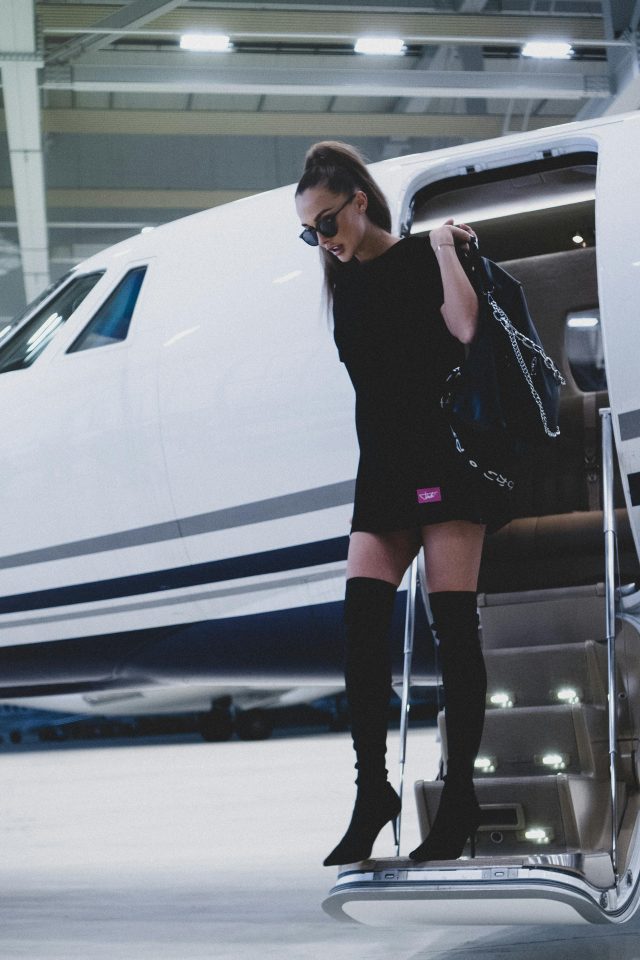
However, while in today’s social media fuelled pilot life, carefully framed cockpit shots, low-level scenic passes, and dramatic weather imagery generate engagement – they can also subtly shift priorities. When content creation becomes entangled with airmanship, safety risks become relegated to the background. Student pilots and low-hour PPLs, in particular, may internalise a distorted version of what “normal” flying looks like.
This is not an argument against sharing aviation experiences. It is an argument for honesty. Real flying involves cancellations, diversions, weather disappointments, and long days where the safest decision is to stay on the ground. Those stories rarely trend – but they save lives.
The SACAA is correct to emphasise experience-induced complacency alongside inexperience. High-hour pilots are not immune. Familiar routes breed shortcuts. Repetition dulls vigilance. The accident curve does not discriminate between 70 hours and 7,000 hours when discipline slips.
Ultimately, regulation alone cannot arrest this trend. Safety in GA is cultural before it is procedural. It lives in flying clubs, briefing rooms, hangar conversations, and the example set by instructors and senior pilots. It is reinforced when we normalise saying “no”, when we debrief honestly, and when we resist the quiet pressure to impress – whether peers, passengers, or followers online.
Our skies are indeed safe, as the SACAA reminds us. But they remain safe only to the extent that we respect the unforgiving nature of flight. Aviation has not become safer because humans have become better decision-makers; it has become safer because systems, discipline, and humility have been relentlessly enforced.
The recent accidents suggest that somewhere along the line, those margins are shrinking again. And that should concern us all.
Prof Angelo Dube is a Professor of International Law, Acting Director of the School of Law at UNISA, and Chief Executive Officer at Flying Jurist, and founder of the Aviation Indaba. At UNISA he heads the Aviation Law Working Group, a consortium of pilots, aviators, researchers and lawyers who research in various aspects of aviation law. He writes here in his personal capacity.