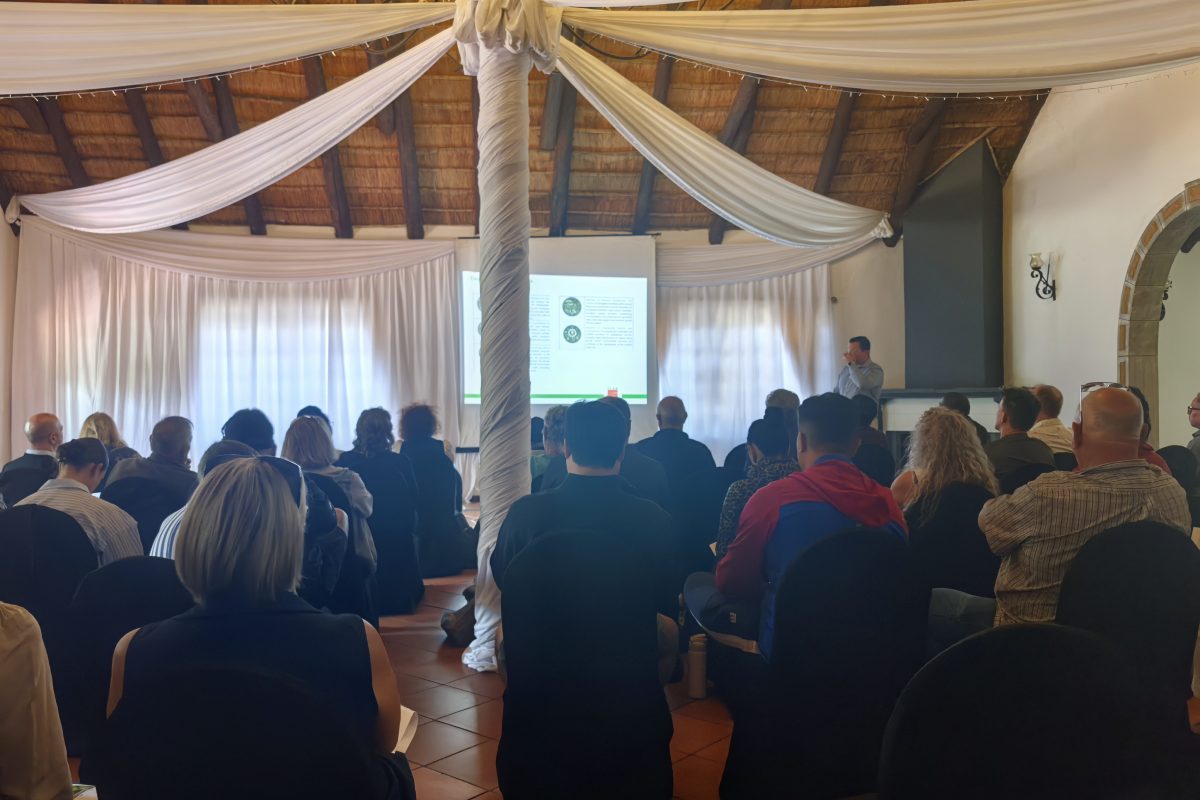
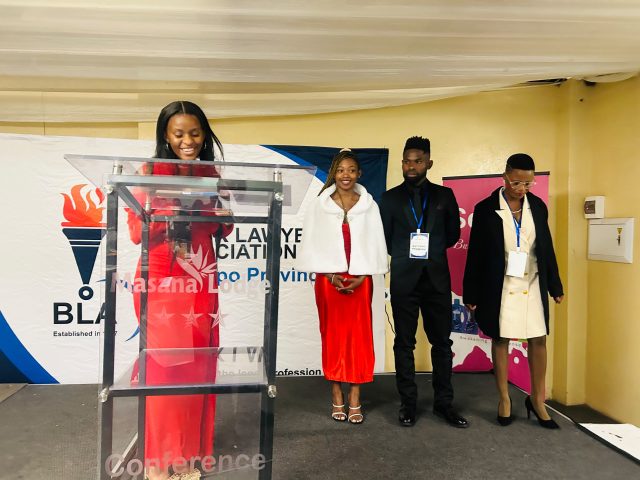
Polokwane, South Africa: There are moments in student life that are easily dismissed as simply another event on the academic calendar. Then there are moments that remind us why we invest in young people in the first place. The Black Lawyer’s Association Student Chapter (BLASC) at the University of South Africa’s Polokwane Campus recently hosted a black-tie gala dinner over the Women’s Day weekend. What struck me most about the evening was not the formality of the occasion, impressive as it was. It was the spirit of collaboration that defined it.
Under the leadership of Motlatso Maphosa, BLASC chose not to retreat into the familiar territory of student organisation rivalries and unnecessary competition. Instead, they opened the room. Representatives, students and members from the University of Limpopo and Rosebank College were part of the evening. That, to me, says something important about leadership. Authentic leadership is not measured by how many people one can exclude. It is measured by how many people one can bring into the room. And that kind of leadership does not happen by accident. It is nurtured.
Motlatso inherited the leadership of BLASC from Kholofelo Maruma. Both have been part of the Afrikan Peer Growth Network (APGRON) mentorship journey. I have watched them grow from young LLB students who were eager, ambitious and, understandably, nervous about entering spaces where professors and doctors occupied the room.
They made presentations at conferences despite the uncertainty. They returned to present again. They wrote. They researched. They published. Slowly, the nervousness gave way to confidence—not arrogance, but a quiet confidence grounded in preparation and knowledge.
Today, they are becoming the kind of leaders who understand that leadership is not about reaching the top and pulling the ladder up behind you. They have themselves begun taking on the responsibility of mentoring others.
This is why we cannot overstate the role of civil society organisations in knowledge production and leadership development. Universities remain indispensable, but there is a vast ecosystem around the university that can expose young people to opportunities, networks, ideas and professional spaces that may otherwise remain inaccessible to them. The APGRON experience is one such example.
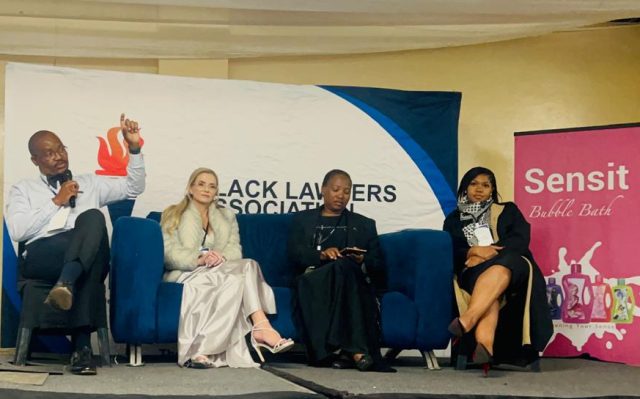
It was therefore particularly meaningful to be invited to contribute to the evening. My own contribution, through aviation and aviation law, has always been driven by a simple conviction: aviation is not merely an industry; it is an opportunity to develop people.
In my keynote address, I encouraged the students to think beyond the conventional boundaries of legal education. The lawyer of tomorrow cannot afford to know only law. The world they will enter requires lawyers who understand technology, business, regulation, economics, policy and the industries within which they practise.
Aviation law provides a wonderful illustration of this.
It sits at the intersection of international law, commercial law, technology, safety, finance, environmental regulation, public policy and increasingly artificial intelligence and unmanned aviation. My message to the students was therefore simple: be hungry for knowledge and diversify your knowledge base.
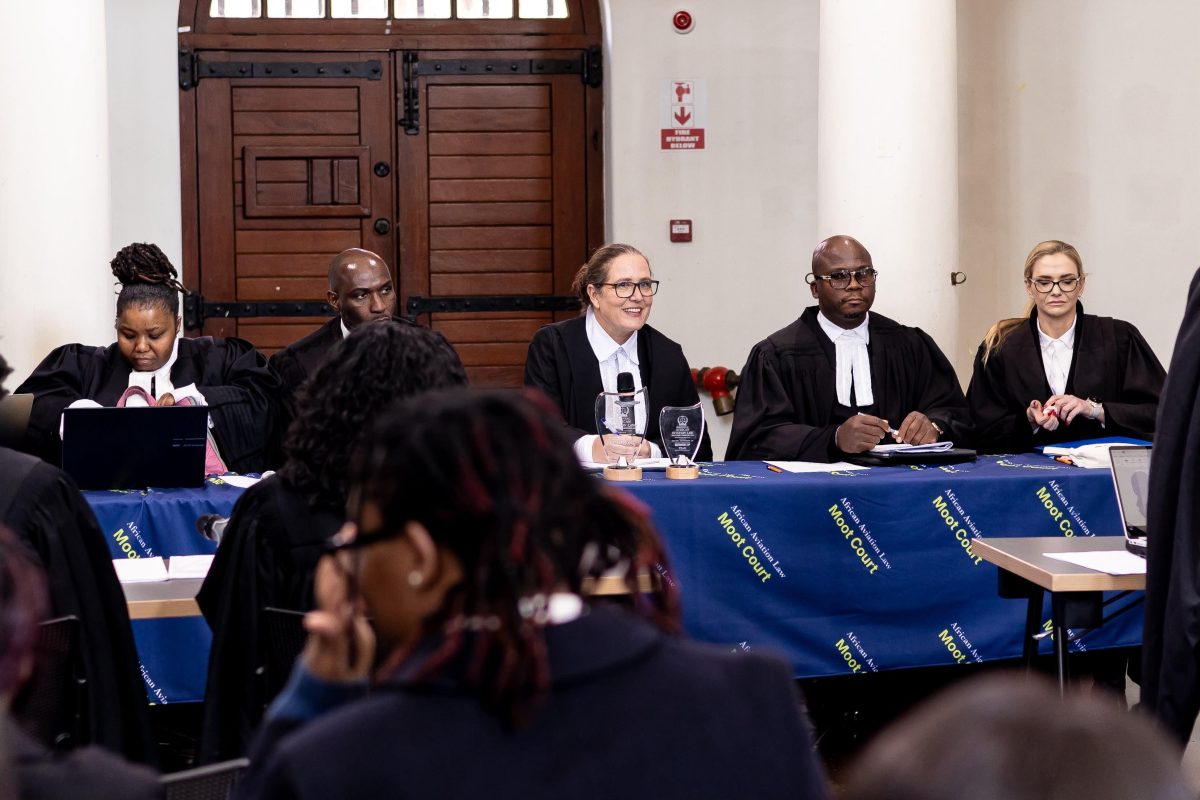
I was particularly pleased to share the platform with Adv Anne-Lize Lourens, who has practised aviation law for more than a decade. She brought something different to the conversation: the lived experience of practice. Her anecdotes and reflections gave students a glimpse into what it actually means to navigate the complexities of aviation law as a practitioner. And she was clearly a hit.
Her long drive from Johannesburg to Polokwane was certainly not in vain. Student after student wanted a photograph, a conversation and, I suspect, another few minutes of her time. That is the power of an approachable mentor. Young people need people who can demonstrate excellence without creating unnecessary distance between themselves and those they seek to inspire.
The presence of Dr MT MaseTshaba, Executive Dean of UNISA’s College of Economic and Management Sciences, added another important dimension to the evening. Her message centred on the leaders who have changed our society and the resolve that drove them to do so. Most importantly, she reminded the students that meaningful change begins within the individual.
She also opened their minds to the breadth of possibilities available to them—not only aviation law, but fields extending into medicine, marine studies, energy studies and beyond. That is precisely the kind of interdisciplinary thinking we need to encourage.
The evening was further supported by Attorney CJ Ntsoane, Chairperson of the Black Lawyers Association Limpopo Branch, whose commitment to youth mentorship and the development of aviation law continues to be evident. His encouragement to the students reinforced the importance of sustaining student-led initiatives and creating spaces in which young people can take ownership of their development.
What stayed with me after the evening was a simple thought: we are not merely mentoring students; we are building the people who will eventually mentor others.
That is the real return on investment.
The gala dinner was therefore more than a celebration. It was evidence that when young people are trusted, mentored and given room to collaborate, they can create something far greater than another student event.
They can begin building the future.
#AviationLaw #FlyingJurist #AviationIndaba #AviationMoot #MootCourt #BLASC #BLA #Mentorship #Leadership #LegalEducation
About the Author:
At the intersection of cockpit, courtroom, and classroom, Prof Angelo Dube brings a rare, lived perspective to aviation. A commercial pilot and the Group Chief Executive Officer of Flying Jurist, he is also the driving force behind the Aviation Indaba – an influential platform shaping high-level industry dialogue across the continent.
In the global legal arena, he serves as President of the Society for International Aviation Law, while in academia he holds the position of Distinguished Professor (Aviation and Aeronautical Studies) within the College of Law at UNISA. There, he leads the Aviation Law Working Group – a dynamic collective of pilots, regulators, researchers, and legal minds pushing the boundaries of aviation law and policy. Prof Dube is also a founding member of the Engaged Scholarship on the Rural Aviation Economy (Project ESRAE) which seeks to optimise rural communities’ access to the aviation economy across South Africa.
He writes here not from a single vantage point, but from the confluence of them all – and in his personal capacity.