Johannesburg, South Africa: Aviation safety is often discussed in the language of procedures, airworthiness, operational discipline and regulatory compliance. These are indispensable elements of a safe aviation environment. Yet, behind every flight, maintenance inspection, air traffic control instruction and cabin operation is a human being. The mental wellbeing of these individuals is just as important to the safety of the aviation system as the technical integrity of the aircraft they operate and maintain.
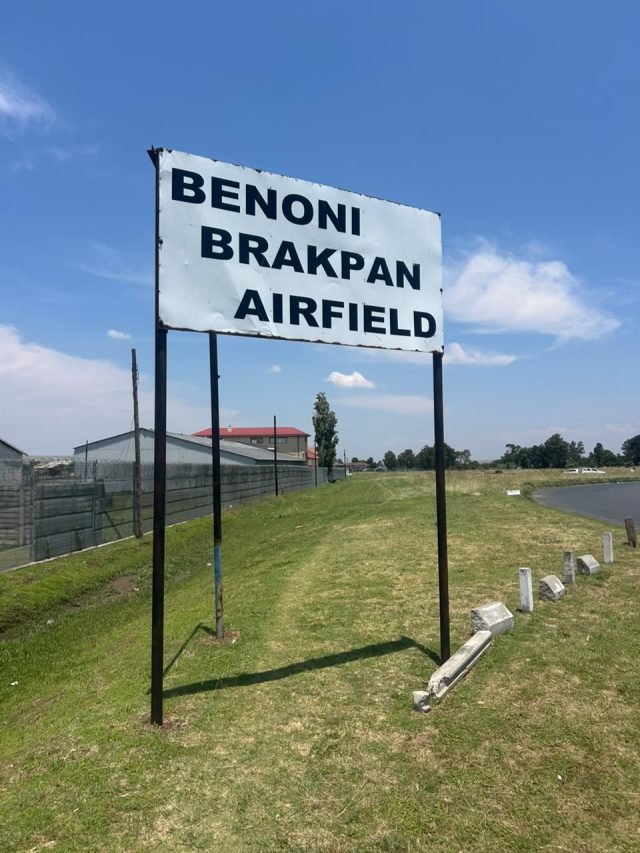
It was against this background that Mayday-SA and Alt Academy convened a safety meeting-cum-breakfast at Brakpan Airfield on 7 November 2026, bringing together members of the aviation community to engage with an issue that deserves considerably more attention across the industry: mental health in aviation.
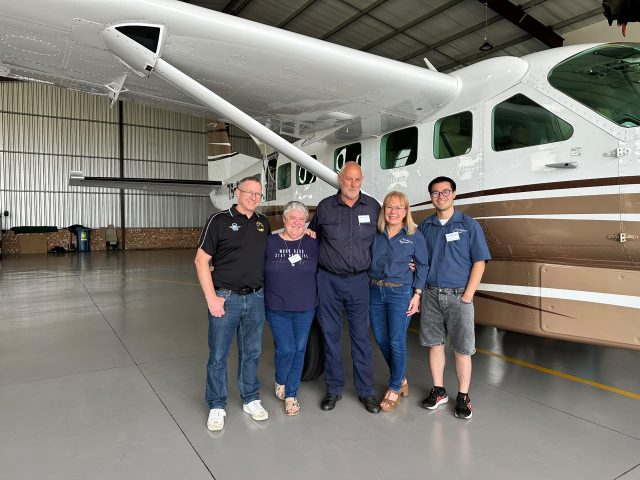
Among the speakers was Braam Hecther, who drew on his years of experience in aviation and his involvement in peer support within the industry. As he guided the deliberations, he emphasised the importance of creating opportunities for aviation professionals to come together, share experiences and learn from one another. Such gatherings, he observed, contribute to the development of a meaningful safety culture.
Hecther explained that Mayday-SA is a peer support group serving aviation licence holders, overseen by experienced aviation psychologists. Its work is premised on the understanding that aviators should have access to support when confronted with personal or professional challenges that may affect their wellbeing and, ultimately, their ability to perform safely. However, the availability of these platforms means little if those who need them do not feel able to use them. A safety culture must therefore extend beyond the existence of support structures to a willingness among aviation professionals to seek assistance when necessary.
Jerry Chihfeng, representing Mayday-SA, brought both his experience as a pilot and his training in industrial psychology to the discussion. He opened by drawing attention to the uneasy relationship between mental health, medical disclosure and the fear of losing one’s aviation licence.
Citing figures from a 2022 study in the US (Healthcare Avoidance in Aircraft Pilots Due to Concern for Aeromedical Certificate Loss: A Survey of 3765 Pilots), Chihfeng indicated that approximately 56% of pilots reported a history of healthcare avoidance, 45.7% had sought informal care, while 26.8% had withheld information about their health. These figures point to a concerning dilemma: the very regulatory and professional considerations intended to safeguard aviation operations may, if approached without sufficient sensitivity, discourage individuals from seeking the help they need.
For a pilot, licence privileges are not simply a professional credential. They represent years of training, personal investment and, in many instances, an entire livelihood. The fear that disclosing a health concern could jeopardise one’s licence may therefore lead some individuals to remain silent. The difficulty is that an undisclosed problem does not disappear. It may continue to develop, often unnoticed, until it begins to affect judgement, performance and operational safety.
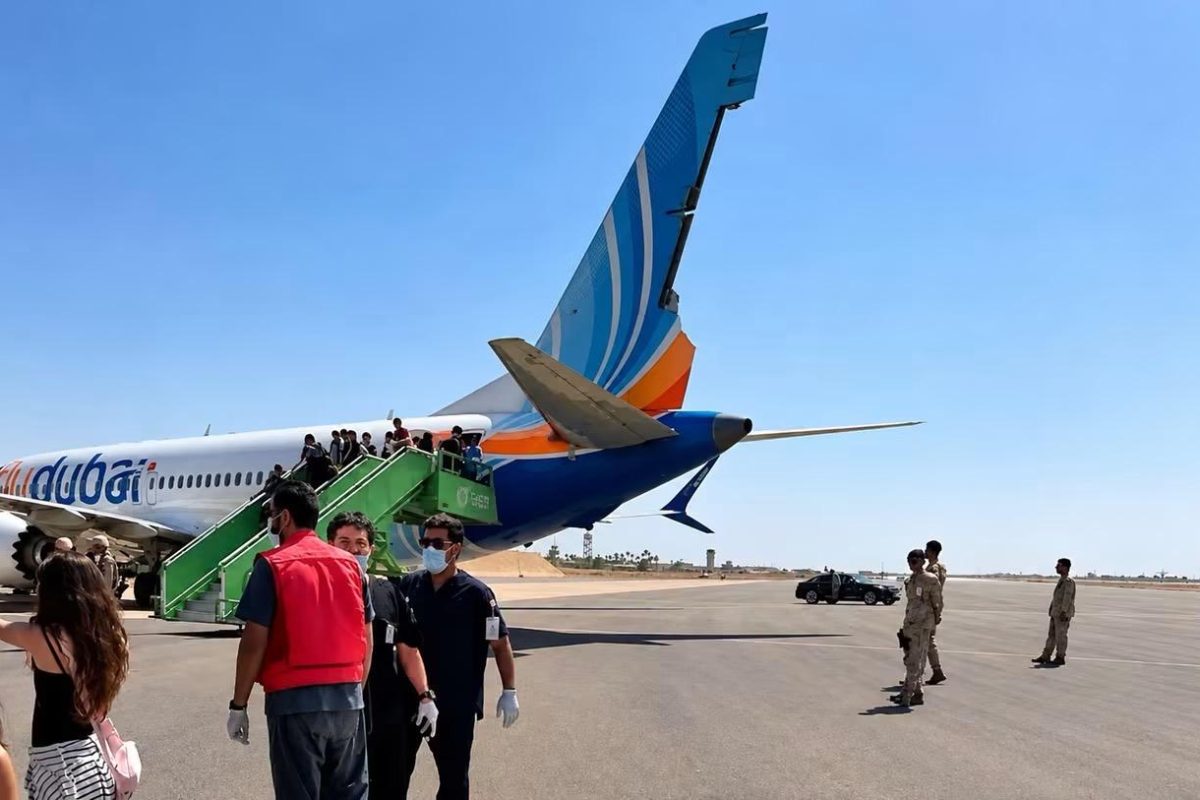
The Germanwings tragedy and the FlyDubai Flight FZ1073 incident were cited in the discussion as sobering examples of the consequences and complexities associated with mental health in aviation. While incidents of this nature must be understood within their respective circumstances, they reinforce the importance of taking human factors seriously and ensuring that mental health is not relegated to the margins of aviation safety discussions.
Chihfeng further observed that stigma remains one of the significant obstacles to disclosure. Aviation professionals must be able to speak about their struggles without immediately feeling that doing so will undermine their professional standing. Mayday-SA provides support to pilots, air traffic controllers, cabin crew and aircraft maintenance personnel. Where an individual’s circumstances require more specialised intervention, the organisation can draw on its network of psychologists to facilitate referrals.
An equally important aspect of the discussion concerned the support available following traumatic experiences. Chihfeng indicated that approximately 80% of individuals may recover from traumatic incidents without professional intervention, while around 16% may require professional assistance. The remaining 4% may experience more persistent difficulties. These figures serve as a reminder that people respond differently to traumatic experiences and that there should be no expectation that everyone will simply recover with time. Recognising when additional support is necessary is an important part of looking after oneself and one’s colleagues.
Ryan also addressed the gathering, bringing the conversation back to the fundamentals of operational safety. Preparation, he emphasised, remains a critical component of safe flying. Pilots must take discipline and preparation seriously, recognising that sound operational decisions begin long before an aircraft leaves the ground. He also encouraged aviators to share their experiences in safe spaces, particularly their near misses, so that others can learn from them.
This is an important point. Aviation has always advanced through the willingness of its practitioners to learn from experience. However, learning cannot flourish where individuals are afraid to speak. A near miss shared constructively can become a lesson that prevents a future accident. Similarly, a personal struggle acknowledged and addressed early can prevent an individual from reaching a point where their wellbeing and operational responsibilities are compromised.
The gathering at Brakpan Airfield was therefore more than a breakfast meeting. It was a reminder that safety is not achieved through regulations and technical standards alone. It also depends on the people who give life to those standards every day.
As the African aviation sector continues to grow, the conversation about safety must evolve with it. We must build an industry in which seeking help is not interpreted as weakness, where peer support is accessible and trusted, and where mental wellbeing forms part of our understanding of professional responsibility.
Ultimately, an aviation safety culture must look after the human being as much as it looks after the aircraft. After all, the people in the cockpit, the control tower, the cabin and the maintenance hangar are not separate from the safety system. They are the safety system.
About the Author:
At the intersection of cockpit, courtroom, and classroom, Dist. Prof Angelo Dube brings a rare, lived perspective to aviation. A commercial pilot and the Group Chairman of the Flying Jurist Group of Companies, he is also the driving force behind the Aviation Indaba – an influential platform shaping high-level industry dialogue across the continent. He is also the Editor of the Future of Aviation in Africa Magazine.
In the global legal arena, he serves as President of the Society for International Aviation Law, while in academia he holds the position of Distinguished Professor (Aviation and Aeronautical Studies) within the College of Law at UNISA. There, he leads the Aviation Law Working Group – a dynamic collective of pilots, regulators, researchers, and legal minds pushing the boundaries of aviation law and policy. Prof Dube is also a founding member of the Engaged Scholarship on the Rural Aviation Economy (Project ESRAE) which seeks to optimise rural communities’ access to the aviation economy across South Africa.
He writes here not from a single vantage point, but from the confluence of them all – and in his personal capacity.